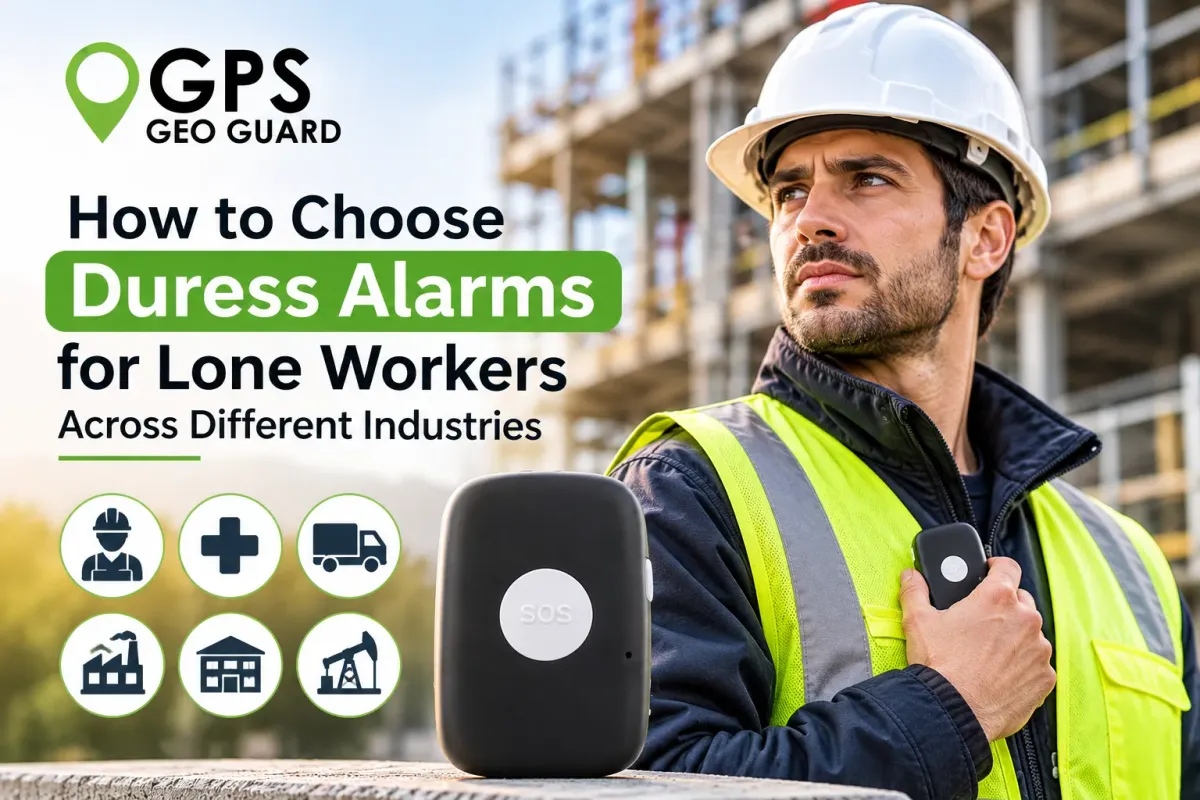
How to Choose Duress Alarms for Lone Workers Across Different Industries
A lone worker is someone who carries out their job without direct supervision or a colleague nearby, often in an isolated or unfamiliar place. This might include personnel from industries such as healthcare, retail, aged care, local councils, delivery, and trades. Across almost every sector, businesses depend on lone workers to get the job done, often in situations where help isn’t just a shout away.
Having the right duress alarm in place makes a real difference here. The right duress alarms for lone workers mean help gets there fast when something goes wrong, whether it’s an accident, a threat, or a health scare. Pick the wrong one, and that help might come too late or not come at all. This guide walks through how to choose the right duress alarm for your lone workers, industry by industry.
Why Lone Worker Safety Devices Matter
Working alone means there’s no one close by to step in if something goes wrong. That’s what makes lone worker roles higher-risk, even when the job itself seems routine. This is exactly why lone worker safety devices exist, to close that gap.
The risks usually fall into two categories:
Social risk – verbal abuse, aggression, or physical harm from the public
Environmental risk – falls, accidents, or sudden medical issues in isolated locations
A duress alarm for lone workers gives staff a direct, fast way to call for help in either situation. It’s not just about ticking a safety box; it’s about making sure someone actually knows when a worker needs help and can get it to them quickly.
For employers, workplace personal safety devices also build trust. Staff feel more confident doing their jobs, knowing support is one press away if things go wrong.
Which Industries Need Lone Worker Duress Alarms?
Lone worker risks look different depending on the job. A home care nurse, a council inspector, and a late-night retail worker all face very different situations, so the right duress alarm often depends on the industry.
Here’s a look at where these devices make the biggest difference.
Healthcare workers – Visiting patients at home often means stepping into unfamiliar settings, alone. If a visit turns unsafe or a medical issue comes up, a duress alarm means help is just a press away.
Aged care staff – Home visits to elderly clients can bring unpredictable moments, from falls to difficult confrontations. Having an alarm on hand means support is always within reach.
Disability support workers – These roles often involve one-on-one care in clients’ homes or out in the community. A reliable alarm lets workers stay focused on the people they support, knowing help is close by if needed.
Retail staff – Closing shifts, handling cash, or working solo late at night can leave staff feeling exposed. A duress alarm gives them a quick way to call for help if things escalate.
Warehouse workers – In large, often isolated spaces, accidents can go unnoticed for too long. An alarm helps make sure someone knows right away if a worker needs help.
Delivery drivers – Constantly on the move and often alone, drivers face everything from accidents to unsafe encounters on the road. A duress alarm keeps them connected to help, wherever their route takes them.
Key Features to Look for in Duress Alarms for Employees
Not all duress alarms work the same way, and the right features can make a real difference when every second counts.
At GPS Geo Guard, our duress alarms come with the following standout features; here’s what to look for when choosing the right one for your team.
GPS tracking – Pinpoints a worker’s exact location the moment an alarm goes off, so responders know precisely where to go, even in unfamiliar or hard-to-describe locations.
Easy one-touch button – A single press is all it takes to raise an alarm. No apps to open or steps to remember, just one clear action, even when a worker is under pressure.
Two-way talking – Once an alert is triggered, the monitoring team can speak directly with the worker to understand what’s happening, offer reassurance, and stay on the line until help arrives.
24/7 monitoring – Every alert is picked up by a trained team, around the clock. Whether it’s midday or 2am, nothing goes unanswered.
Fast response – Alerts are assessed and passed on to first responders quickly, cutting down the time between an emergency and getting actual help on the way.
Man-down alerts – If a worker falls, loses consciousness, or stops moving, the device can detect this and trigger an alert on its own, without needing them to press anything.
How to Choose the Right Lone Worker Duress Alarm for Your Workplace
With so many options available, picking the right duress alarm comes down to understanding what your workplace actually needs. No device is inherently good or bad; it’s really about matching the right features to your team’s risks and ways of working.
Here’s a simple way to approach the decision.
Know your workers’ risks
Different jobs bring different dangers, from aggressive members of the public to isolated sites or physical hazards like falls. Knowing these risks upfront matters because it shapes exactly what kind of protection your team needs.
Pick a device that fits the job
A healthcare worker visiting homes faces very different situations than a warehouse employee on a large site. Getting this right matters because a device that doesn’t suit the work environment is less likely to be used properly when it counts.
Check how fast help arrives
A duress alarm is only as strong as the response behind it, no matter how good the device itself is. This matters because even a well-built alarm falls short if alerts aren’t picked up quickly and escalated to the right people during a real emergency.
Make sure it’s easy to use
A complicated device is hard to operate under pressure, especially in the middle of a stressful or frightening situation. This matters because workers need to raise an alarm instantly when panicked not pause to remember extra steps or navigate a confusing interface.
Compare costs and contracts
Pricing, contract length, and ongoing fees differ quite a bit across providers in this space. This matters because it determines whether a safety solution is actually sustainable for your business long-term, rather than just a good fit on day one.
GPS Geo Guard: Reliable Duress Alarms for Every Workplace
Whatever industry you’re in, from healthcare and aged care to retail, warehousing, and field services, GPS Geo Guard is built to adapt. Our GPS personal safety alarms are designed to support lone workers across a wide range of settings, with features that make a real difference during an emergency:
Accurate GPS tracking to pinpoint a worker’s exact location
One-touch SOS for fast, simple activation
Two-way audio to stay connected until help arrives
Automatic fall detection for added protection
24/7 monitoring by trained operators
We also support your team with proper training, so everyone knows exactly how to use their device before they ever need it. Choosing the right duress alarm isn’t just about the device; it’s about having a partner who understands your workplace and responds when it matters most. That’s what we aim to be for every team we work with.
Ready to protect your workforce? Book a demo or get a quote today, and see how GPS Geo Guard fits your workplace.
Frequently Asked Questions (FAQs)
Do duress alarms work in areas with poor mobile reception?
Duress alarms rely on mobile network coverage to send alerts, so performance can be affected in areas with weak or no signal. It’s worth checking coverage for the specific locations your workers operate in.
Can one duress alarm be shared between multiple staff members?
Yes, many duress alarms can be shared across shifts or team members, as long as the device is charged and handed over properly between uses.
How long does the battery last on a duress alarm?
Battery life varies by device and usage, but most are designed to last a full work shift on a single charge. Check the specific device’s battery life before choosing one for your team.
Is training required to use a duress alarm?
While the devices are designed to be simple, basic training helps workers understand how to activate the alarm and what to expect once it’s triggered, so they feel confident using it.
Can a duress alarm be used indoors as well as outdoors?
Yes, most duress alarms work both indoors and outdoors, though GPS accuracy may vary slightly in enclosed or densely built-up spaces.


