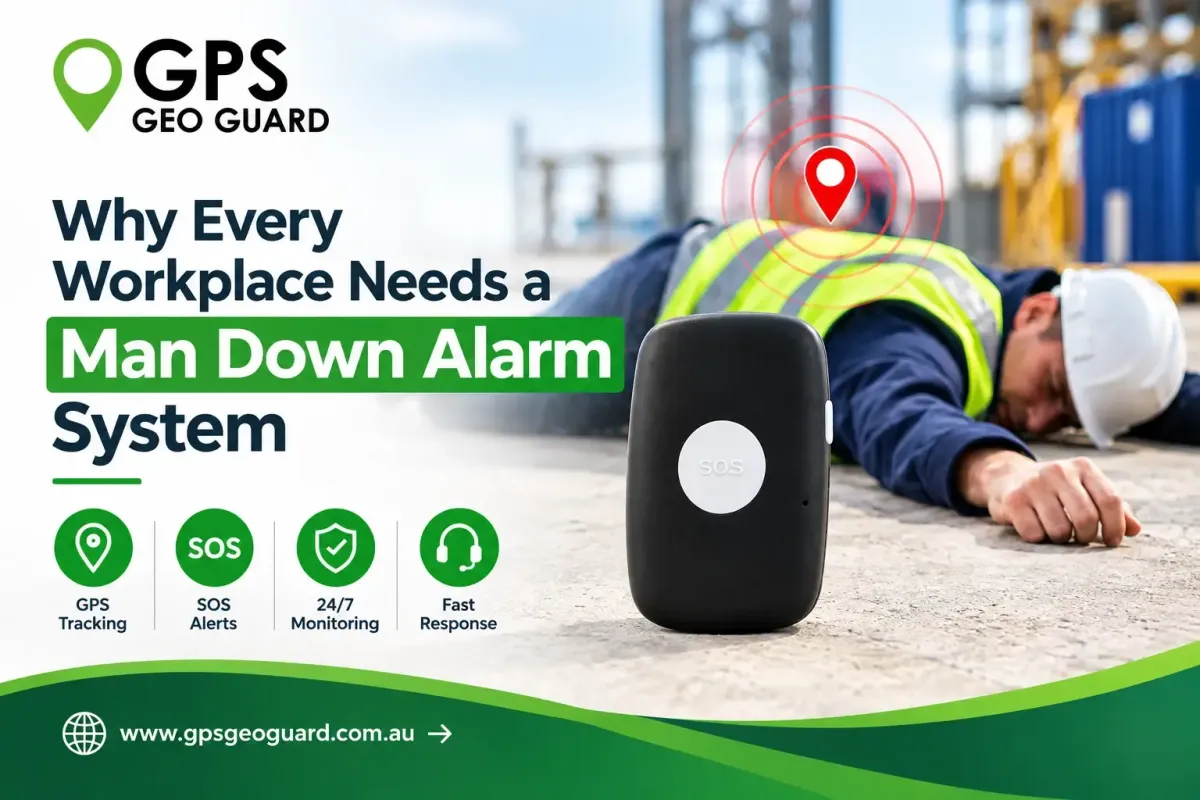
Why Every Workplace Needs a Man Down Alarm System
Workplace safety is especially important when employees work alone, in remote locations, or in high-risk environments. A fall, injury, sudden illness, or other emergency can leave a worker unable to call for help manually. A man down alarm system provides an additional layer of protection by detecting certain incidents and sending an alert when a worker may need assistance.
For Australian businesses, man down alarms can be particularly valuable for lone workers and employees operating in environments where immediate assistance may not always be available. Combined with GPS location, monitoring and manual SOS functionality, these systems can help improve emergency response and worker protection.
What Is a Man Down Alarm System?
A man down alarm is a wearable safety device designed to detect situations where a worker may have fallen, become incapacitated, or remained inactive for an unusual period. Depending on the technology used, the device can automatically trigger an alert and provide information that helps the appropriate response team determine what has happened and where the worker is located.
Many modern man down alarm systems also include a manual duress or SOS function. This allows workers to actively request assistance if they feel threatened, become unwell, or encounter an emergency.
The combination of automatic detection and manual activation is particularly useful for lone workers because the worker may not always be physically able to reach a phone or press an emergency button.
How Does a Man Down Alert System Work?
A man down alert system typically follows a simple emergency response process:
An incident occurs – A worker may fall, become incapacitated, or remain in an abnormal position.
The device detects the event – Sensors can identify certain changes in position, movement or inactivity.
A pre-alarm may be activated – Depending on the system, the worker may have an opportunity to cancel a false alarm.
The alert is escalated – If the alarm is not cancelled, an alert can be sent to the designated monitoring or response team.
Worker location is identified – GPS and other location technologies can help determine where assistance is required.
The response process begins – The appropriate contacts can follow the organisation's emergency procedures.
The exact detection and escalation process varies between devices and monitoring services, so businesses should assess the features and response arrangements before choosing a system.
Why Do Workplaces Need Man Down Alarms?
A workplace emergency can become more serious when nobody is immediately available to notice that a worker is in trouble. This is particularly relevant for employees who work independently or in isolated environments.
Faster Emergency Alerts
A man down alarm can automatically generate an alert when a qualifying incident is detected. This can reduce reliance on another person noticing that a worker has stopped moving or failed to check in.
Protection When a Worker Cannot Call for Help
One of the main advantages of automatic man down detection is that it does not rely entirely on the worker manually activating an SOS. If a worker is unconscious, injured or otherwise unable to reach their phone, automatic detection may provide an additional way to initiate an alert.
Greater Protection for Lone Workers
Lone workers often work without another employee nearby who can immediately respond to an accident. A suitable lone worker alarm with man down detection can provide automatic detection alongside manual SOS functionality.
Location Information
GPS-enabled man down devices can provide location information as part of an emergency alert. This can help response teams identify where assistance may be required, particularly when workers operate across multiple sites or remote locations.
Additional Support for Workplace Safety
Man down technology should form part of a broader workplace safety strategy that can include risk assessments, communication procedures, worker training, check-ins and emergency response plans.
Man Down Alarms for Lone Workers
Lone workers can face additional risks because they may be working without immediate assistance from colleagues or supervisors. If they fall or become incapacitated, there may be nobody nearby to raise the alarm.
A lone worker man down alarm can provide an additional safety layer by combining automatic detection with manual emergency activation.
Depending on the system, useful features may include:
Automatic man-down or fall detection
Manual SOS or duress activation
GPS location
Two-way communication
Emergency alert escalation
Monitoring services
Worker check-in functionality
Mobile network connectivity
For businesses managing lone workers, the right solution should be selected according to the actual risks workers face and the organisation's emergency response procedures.
Man Down Alarm Devices and Key Features
A man down alarm device should do more than simply make a sound. Businesses should consider the features that can help workers receive assistance quickly during an emergency.
Automatic Fall or Man-Down Detection
The device should be capable of detecting the types of incidents relevant to the worker's environment. Different technologies use different methods to identify falls, unusual positioning or inactivity.
Manual SOS and Duress Activation
Automatic detection is not the only important feature. Workers should also have a straightforward way to manually request assistance when they are conscious and able to activate the device.
GPS Location
GPS functionality can help identify the worker's location when an emergency alert is raised.
Monitoring and Alert Escalation
A connected man down monitoring system can help ensure that an alert is received and handled according to the organisation's emergency procedures.
Two-Way Communication
Where supported, two-way communication can allow the worker and response team to communicate during an emergency.
Reliable Connectivity
Businesses should consider whether the device provides suitable network connectivity for the locations where employees actually work, including remote or challenging environments.
Durable, Wearable Design
For workers in construction, utilities, mining, transport, security and other demanding environments, a man down safety device should be practical to wear and suitable for the conditions in which it will be used.
How Man Down Alarm Monitoring Works
A man down alarm is most effective when detection is connected to a clear response process.
When an alert is generated, the system may send information such as the worker's identity, location and type of alarm to a monitoring or designated response team. The response process can then follow the organisation's established escalation procedures.
This is why businesses should assess not only the man down alarm device, but also what happens after an alarm is triggered.
Important questions to consider include:
Who receives the alert?
How quickly is it acknowledged?
What information is provided?
How is the worker's location determined?
What happens if the worker does not respond?
Who is contacted next?
What emergency procedures are followed?
A reliable alarm system should form part of a documented workplace emergency response process.
Man Down Alarm Systems for Australian Workplaces
Australian businesses operate across a wide range of environments, from construction and utilities to mining, transport, warehousing, security and remote work.
A man down alarm system in Australia can provide an additional layer of protection for employees who work alone or in environments where immediate assistance may not be available.
Businesses should consider the risks associated with their specific workplace when selecting a man down device. Factors such as worker location, network coverage, environmental conditions, required monitoring, emergency procedures and the type of work being performed can all influence which solution is appropriate.
Man down technology should complement, rather than replace, workplace risk assessments, safety procedures, worker training and other controls.
Man Down Alarm vs Duress Alarm
Although man down and duress alarms can be used together, they serve different purposes.
A duress alarm generally allows a worker to manually request assistance when they face a threat, emergency or other situation requiring help.
A man down alarm can provide automatic detection of certain falls, abnormal positions or periods of inactivity, depending on the device and its configuration.
Some worker safety solutions combine both functions, allowing employees to manually activate an SOS while also providing automatic man-down detection.
For a detailed comparison, see our guide to Man Down Alarms vs Duress Alarms.
Which Industries Can Benefit From Man Down Alarm Systems?
Man down technology can be useful in workplaces where employees may work alone, remotely or in environments where immediate assistance may not be available.
Potential applications include:
Construction
Mining
Utilities
Manufacturing
Warehousing
Transport
Security
Healthcare
Remote field work
Lone-worker environments
The appropriate solution depends on the risks, working conditions and emergency procedures associated with each workplace.
Frequently Asked Questions About Man Down Alarm Systems
What is a man down alarm system?
A man down alarm system is a worker safety solution designed to detect certain falls, abnormal positions or inactivity and generate an alert when a worker may require assistance.
How does a man down alarm work?
A device uses sensors and configured detection technology to identify certain events. Depending on the system, a pre-alarm may allow the worker to cancel the alert before it is escalated to a monitoring or response team.
Who needs a man down alarm?
Man down alarms can be useful for lone workers and employees working in remote, isolated or higher-risk environments where immediate assistance may not always be available.
Can a man down alarm protect lone workers?
Yes. A suitable lone worker alarm with man down detection can provide automatic detection alongside manual SOS functionality, helping provide an additional layer of protection when workers operate without nearby colleagues.
What features should a man down alarm device have?
Depending on the workplace, important features may include automatic man-down detection, manual SOS, GPS location, monitoring, two-way communication, reliable connectivity and a durable wearable design.
What happens when a man down alarm is triggered?
The exact process depends on the system. Generally, the device detects a qualifying event, provides an opportunity to cancel the alarm where applicable, and then sends an alert to the designated monitoring or response team if the alarm remains active.
What is the difference between a man down alarm and a duress alarm?
A man down alarm can automatically detect certain incidents, while a duress alarm generally relies on the worker manually activating an SOS. Some systems combine both functions.
Are man down alarm systems suitable for Australian workplaces?
They can be suitable for a range of Australian workplaces, particularly where employees work alone, remotely or in environments where rapid assistance may be difficult. Businesses should assess their specific risks and emergency response requirements before selecting a solution.
Protect Your Workers With a Man Down Alarm System
Protecting workers starts with identifying the risks they face and putting appropriate safety controls in place. For lone workers and employees operating in isolated or higher-risk environments, a man down alarm system can provide an additional layer of protection through automatic detection, manual SOS functionality, location information and emergency alerting.
GPS Geo Guard provides man down and duress alarm solutions designed to support worker safety and emergency response.
Get in touch with GPS Geo Guard to learn more about man down and duress alarm solutions and determine which features are appropriate for your workplace.
Contact GPS Geo Guard or call 1800 77 90 50.


